

Dialysis technology and operation theatre technology are both specialised paramedical fields, but their working environments are noticeably different. Dialysis technicians support repeated renal-care procedures, while O.T. technicians contribute to the preparation and functioning of surgical environments.
Students comparing a dialysis technician course with an O.T. Technician course in Pune should consider their temperament, preferred workplace and comfort with patient care. The right choice is not simply the course that appears more popular; it is the one that matches the student’s abilities and professional interests.
KP Paramedical Institute provides career-focused paramedical learning opportunities in Pune. Comparing the real responsibilities associated with these two courses can help applicants make a more informed selection.
Understanding Dialysis Technology
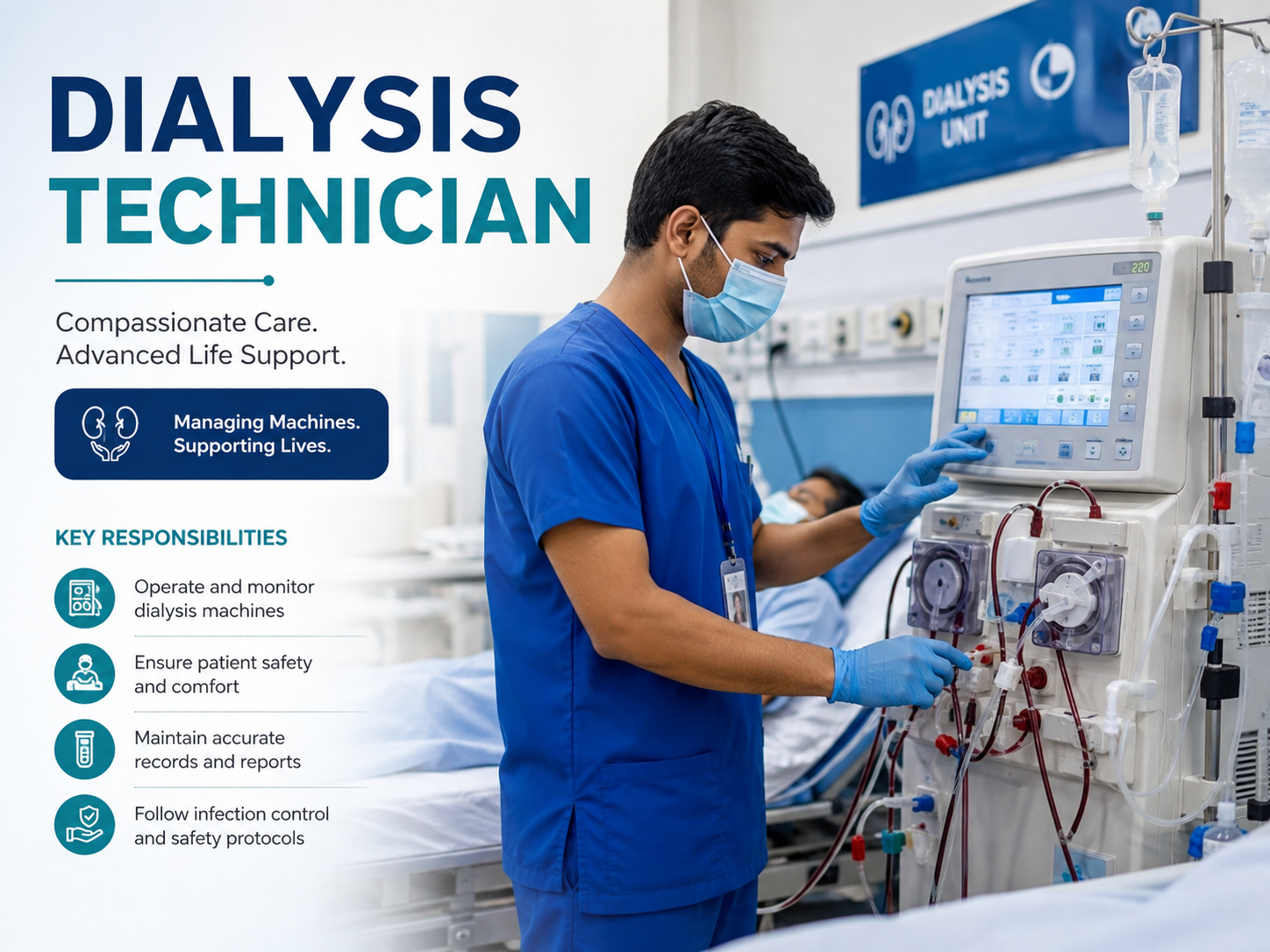
Dialysis technicians work in renal-care units where patients may receive treatment several times over an extended period. The role involves equipment-related procedures as well as regular interaction with patients.
Training may cover:
- Kidney structure and function
- Principles of haemodialysis
- Dialysis machine basics
- Treatment-area preparation
- Water treatment awareness
- Infection prevention
- Patient observation
- Documentation
- Emergency-protocol awareness
This field may suit someone who is compassionate, patient and comfortable supporting individuals living with chronic health conditions.
Understanding Operation Theatre Technology
O.T. technicians work in surgical settings where preparation, sterility and timing are critical. Their duties may include arranging supplies, assisting with theatre readiness and following cleaning and sterilisation protocols.
Training may include:
- Surgical instrument identification
- Operation theatre zones
- Sterilisation procedures
- Infection control
- Patient positioning awareness
- Anaesthesia equipment basics
- Biomedical waste management
- Theatre documentation
- Emergency preparation
This path may suit students who can stay focused in high-pressure environments and follow precise instructions without distraction.
Key Differences to Consider
Patient interaction
Dialysis technicians may regularly interact with the same patients. O.T. technicians usually have more limited communication with patients but work closely with surgical teams.
Work pattern
Dialysis units generally follow scheduled treatment sessions, although emergency care may also occur. Operation theatres may involve planned surgeries as well as urgent procedures.
Emotional demands
Dialysis care involves supporting patients through recurring treatment. O.T. work requires composure around surgical procedures and potentially critical situations.
Technical focus
Both roles involve medical equipment. Dialysis training centres on renal-care machines and treatment processes, while O.T. training focuses on surgical preparation, instruments and sterile practices.
Team environment
Dialysis technicians coordinate with nephrologists, nurses and renal-care professionals. O.T. technicians work with surgeons, anaesthesia teams, nurses and other theatre personnel.
A Simple Self-Assessment
Consider dialysis technology if you:
- Prefer ongoing patient interaction
- Have a calm and reassuring communication style
- Can follow recurring treatment protocols consistently
- Are interested in renal care
Consider O.T. technology if you:
- Are comfortable in surgical environments
- Can remain attentive during long procedures
- Value structured preparation and sterile practices
- Work effectively under time pressure
Evaluating Courses in Pune
Whichever pathway you select, verify the programme’s eligibility criteria, duration, recognition, practical training and clinical exposure. Ask how students are supervised and how their competencies are assessed.
Pune’s hospitals and specialised healthcare centres create varied clinical settings across the city and Maharashtra. A suitable course should prepare students for the realities of those environments, not merely help them complete an examination.
Both careers demand responsibility, teamwork and respect for clinical boundaries. Choosing according to personal strengths can make the training experience more meaningful and the transition into healthcare work more practical.